Training tips, community stories, and cycling wisdom — for riders at every level.
Starting cycling can feel intimidating, especially when everyone else seems to know the gear, the pace, the rules, and the language. But the truth is this: every strong cyclist was once a beginner.
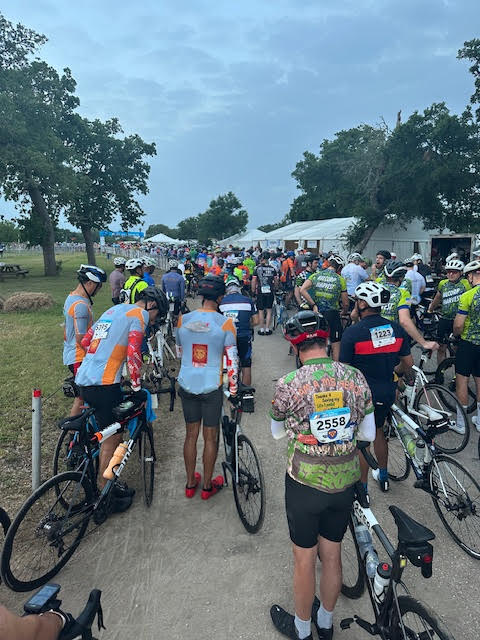
Your first group ride can be exciting, but it can also bring nerves. That is normal. Riding with others introduces a different rhythm than riding alone.
One of the biggest questions beginners ask is simple: what kind of bike should I buy? The answer depends less on what looks best online and more on how you actually plan to ride.
Too many people believe they must already be fit before joining a cycling club. That mindset keeps good people off the bike. Cycling fitness is not a requirement to begin.
Cycling safety is not about fear. It is about awareness. The riders who stay safest over time are the ones who learn good habits early and stay disciplined with them.
Nutrition can seem complicated when you are new to cycling, but it does not need to be. For shorter rides, the goal is simple: start reasonably fueled, stay hydrated.
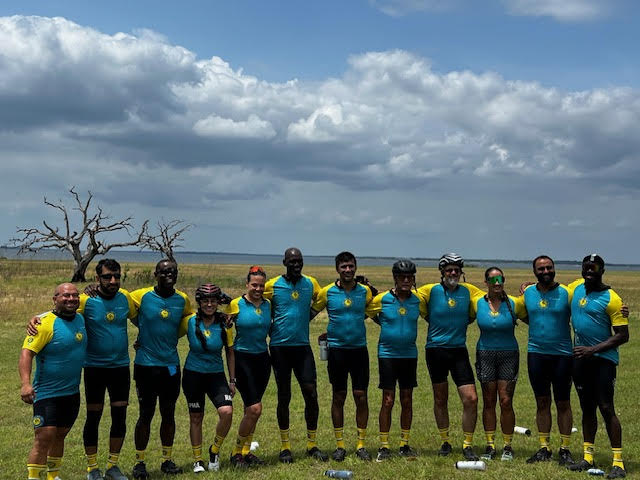
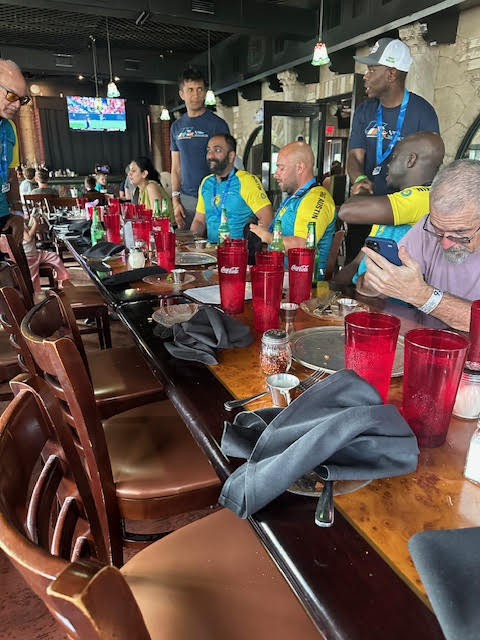
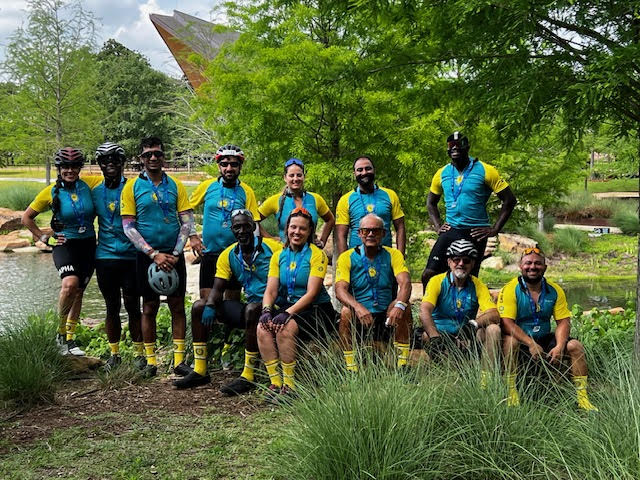
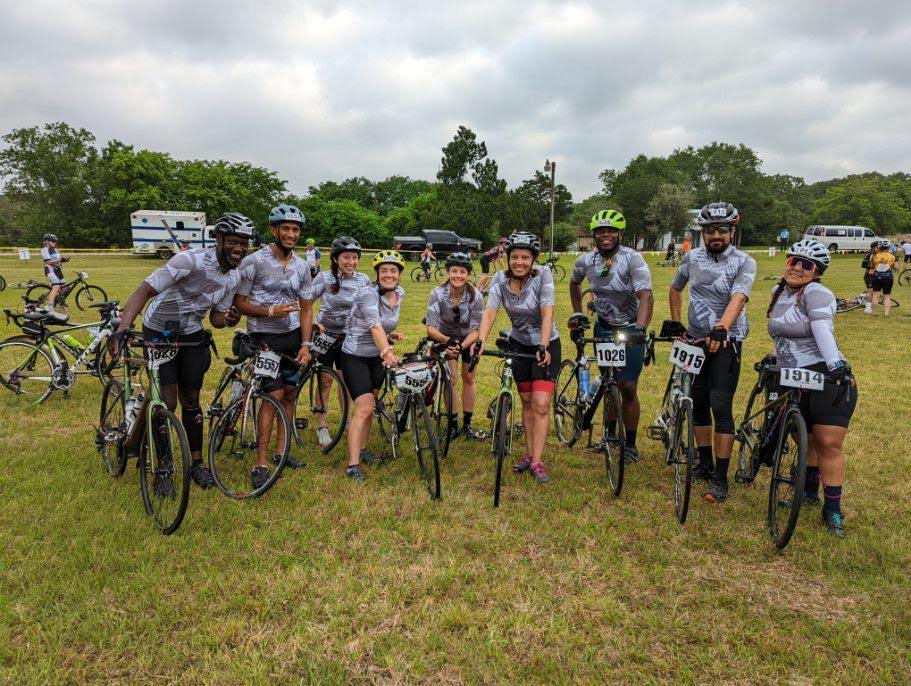
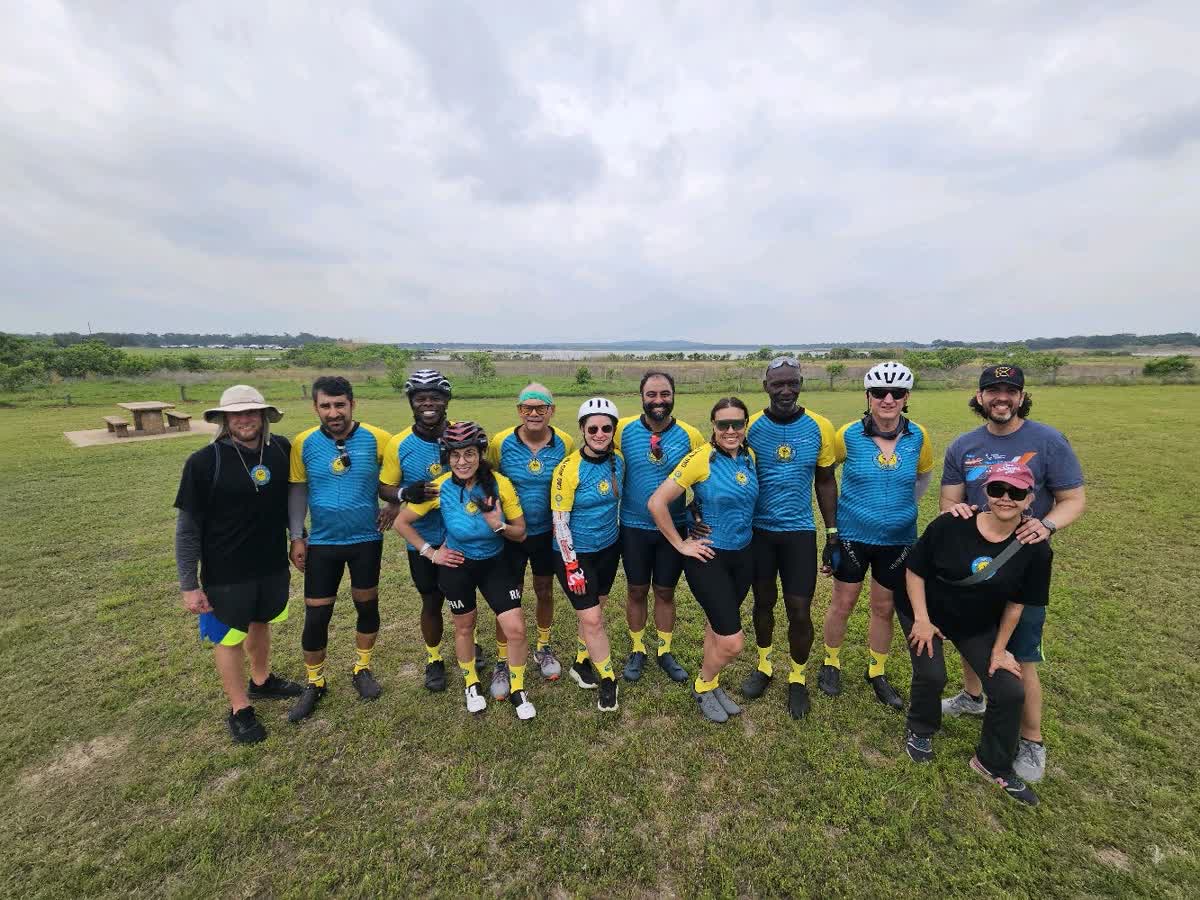
Cycling can absolutely improve your fitness, but what often keeps people riding for years is something deeper than performance. It is community.
Most cyclists hit a plateau at some point. You ride regularly, you are stronger than when you started, but progress begins to stall. The good news is that plateaus are fixable.
As riders improve, it becomes easy to focus only on performance. But stronger riders carry a responsibility that goes beyond fitness. They help shape the culture of the group.
Climbing exposes everything. Fitness, pacing, technique, and mental composure all get tested when the road tilts upward.
A lot of cyclists ride more when they want to improve. Sometimes that works. But many riders overlook one of the most powerful tools available to them: strength training.
Many intermediate cyclists want to get faster, but they make one common mistake: they turn every ride into a hard ride.
Training only works if recovery supports it. Cyclists often focus heavily on the ride itself while neglecting the habits that allow improvement to happen.
Cycling may look individual from the outside, but within a strong club, reliability matters just as much as fitness.
At the advanced level, improvement becomes less about doing more and more about doing the right work at the right time. Margins get smaller.
Riding in a paceline or peloton requires more than fitness. It demands trust, predictability, communication, and technical control.
Advanced riders often circle key events months in advance. Performance on that day depends on what happens in the weeks before it.
At advanced levels, physical preparation is only part of the equation. Long-distance cycling tests focus, patience, and emotional control.
There is a temptation among experienced cyclists to chase the sophisticated and ignore the obvious. But advanced riding still depends on basic discipline.
Experience creates responsibility. In a club environment, advanced riders are watched more closely than they realize.
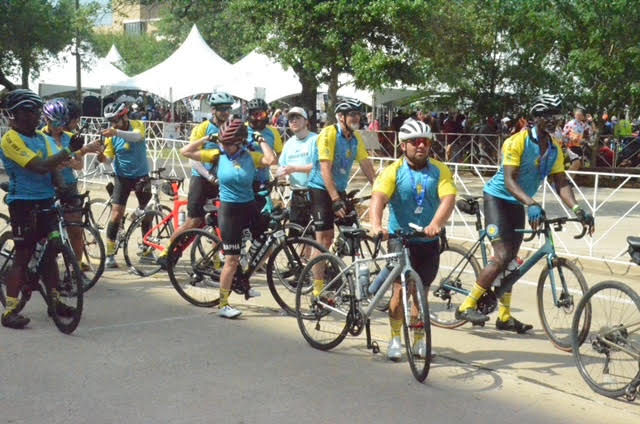
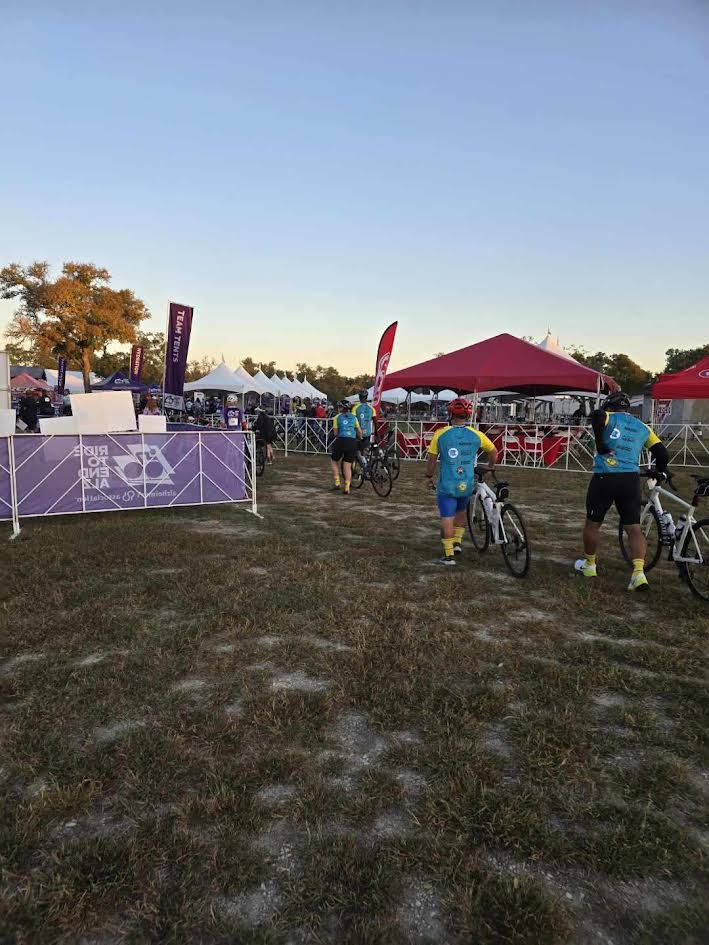
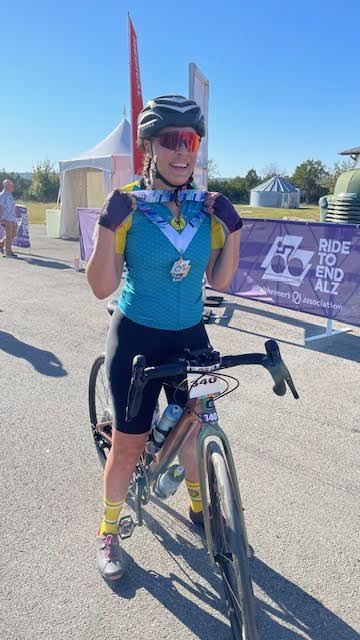
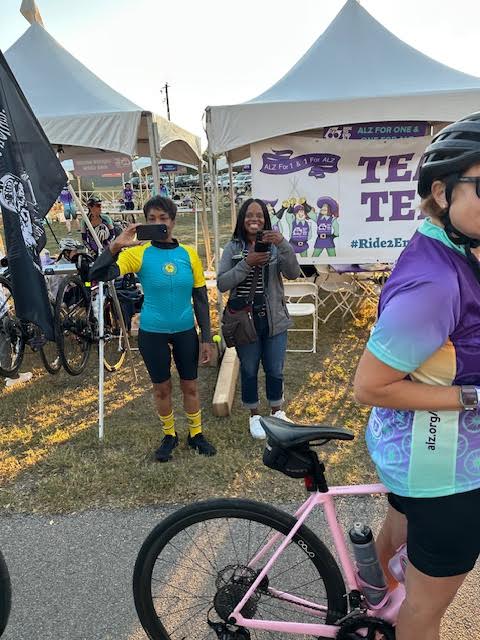
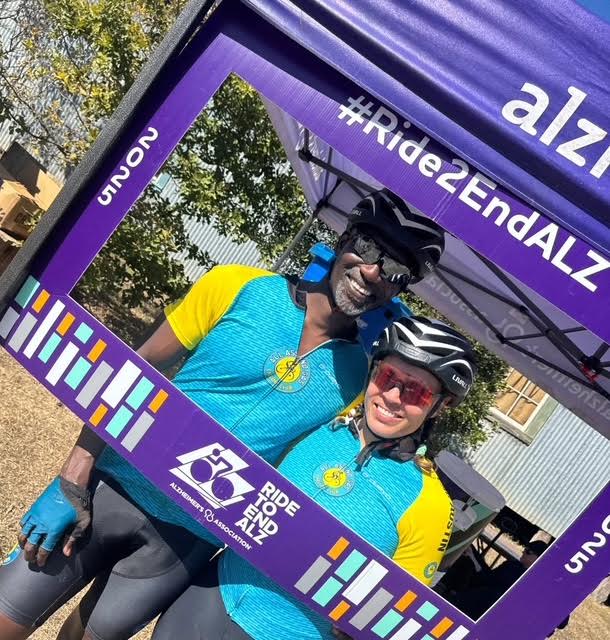
There is something different about riding when the miles stand for more than fitness. When a ride is tied to a mission, the effort carries a different weight.
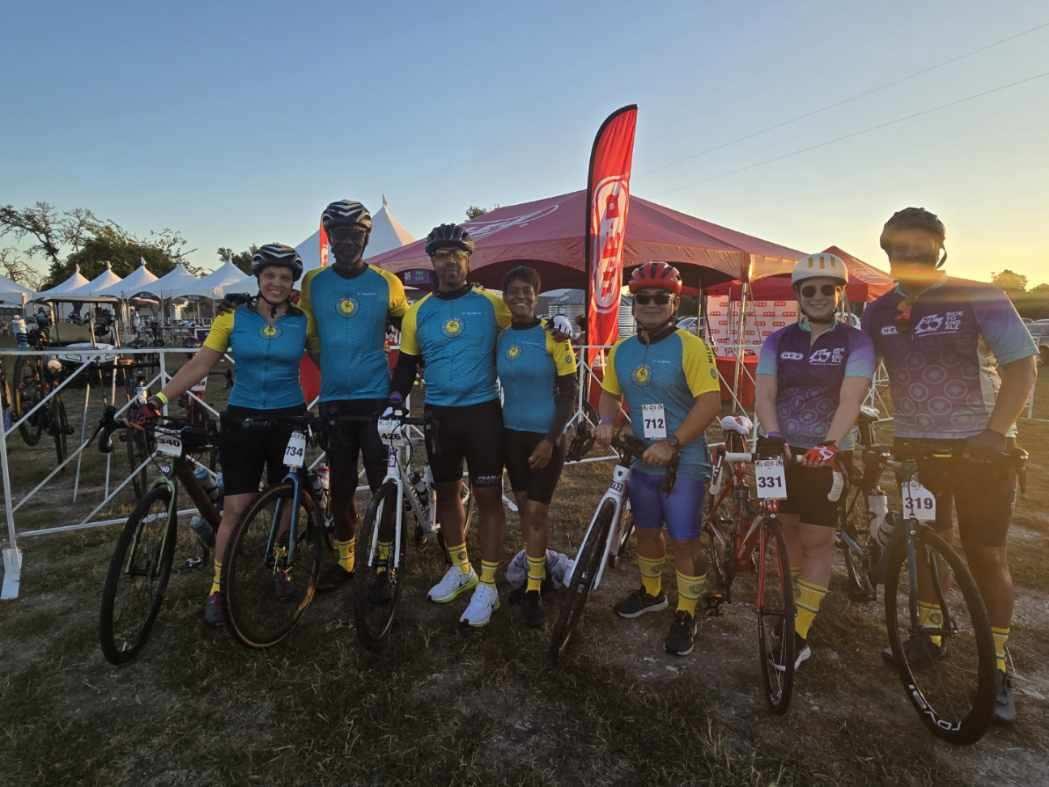
Every mile we ride carries a purpose. For AANGCC, that purpose has a name: the National Multiple Sclerosis Society.